In today’s digital world, the concept of an AI Influencer is growing rapidly. AI influencers are virtual personalities created with artificial intelligence that can appear in social media posts, campaigns, advertisements, and digital content. Some are designed to look realistic, while others use a completely fictional or creative appearance.
One of the most important parts of an AI influencer is their visual identity. Consistent, attractive, and realistic images help create a recognizable character that audiences can connect with. This is where an AI Influencer Image Prompt Generator becomes useful.
With a detailed image prompt, you can describe an influencer’s appearance, clothing, location, pose, lighting, camera style, mood, and overall personality. AI image-generation tools can then use those instructions to create visual concepts for your virtual influencer.
AI-generated influencer images can be useful for social media content, digital marketing, brand campaigns, virtual characters, creative projects, and influencer-style content. They can also help creators experiment with different visual styles without arranging a traditional photoshoot for every idea.
Configuration
Generated Prompt
Fill the form and click "Generate Prompt"
Your professional AI prompt will appear here
If you want to build an audience on platforms such as Instagram, TikTok, Facebook, or YouTube, consistent visual content can help strengthen your digital identity. You can also use these AI image prompts for creating engaging influencer-style social visuals.
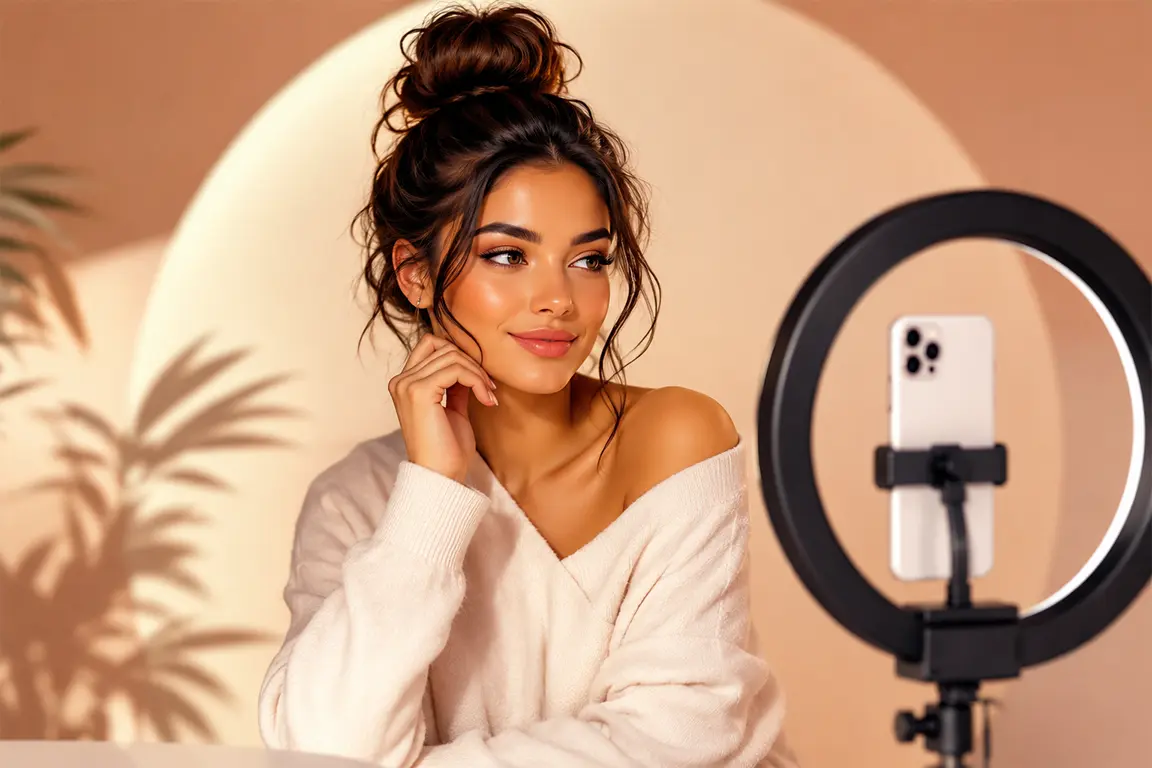
What is an AI Influencer Image Prompt Generator?
An AI Influencer Image Prompt Generator is a tool that helps turn written ideas into detailed prompts for creating AI-generated influencer images. Instead of manually figuring out how to describe every visual detail, you can provide basic information and use the generated prompt with an AI image-generation tool.
For example, you can describe:
“A stylish virtual woman wearing modern streetwear, standing in a luxury café with soft natural lighting, realistic photography, confident expression, and a premium Instagram aesthetic.”
The prompt provides visual instructions about the subject, environment, clothing, lighting, composition, and overall appearance.
AI image generators can then interpret these instructions and produce an image based on the requested concept. The final result can vary depending on the AI image tool, prompt quality, model, and settings being used.
AI Influencer Character Creation
Prompts can help define the basic appearance of a virtual influencer, including facial characteristics, hairstyle, clothing, body language, and overall visual personality.
Virtual Influencer Photography
You can create prompts that describe professional photoshoot concepts, lifestyle scenes, fashion photography, travel photography, fitness environments, or other influencer-style visuals.
Social Media Visual Creation
AI influencer images can be designed around specific social media content ideas, campaigns, locations, products, and audience interests.
Why AI Influencers Are Becoming Popular
Virtual influencers are becoming an interesting part of digital content and social media marketing. AI technology allows creators and brands to experiment with characters and visual identities that may be difficult or expensive to produce using traditional photography.
1. Full Creative Control
Creators can define the appearance, clothing, environment, photography style, and personality of a virtual character through detailed prompts.
2. Flexible Content Creation
An AI influencer can be placed in different locations, seasons, outfits, and creative environments without physically traveling to each location.
3. Supports Faster Visual Production
AI image generation can help creators produce visual concepts faster, particularly when they need multiple ideas for social media campaigns.
4. Consistent Brand Identity
A clearly defined character concept can help maintain a recognizable visual identity across different types of content.
5. Creative Experimentation
Creators can test fashion, travel, lifestyle, technology, fitness, beauty, and other visual themes to discover which concepts work best for their audience.
Key Elements of a Good Image Prompt
A detailed AI influencer image prompt should describe the most important visual elements instead of relying on a short and vague instruction. The more useful context you provide, the easier it becomes to communicate the desired image concept.
Who is in the Image?
Describe the virtual influencer clearly. Include details such as gender presentation, approximate age, hairstyle, facial characteristics, expression, and overall appearance when relevant.
Clothing and Style
Specify the outfit, colors, fashion style, accessories, footwear, and overall appearance. You can request streetwear, business clothing, sportswear, luxury fashion, casual clothing, or another suitable style.
Background or Location
Describe where the influencer should appear. Examples include a modern city, luxury café, beach, gym, office, studio, hotel, mountain, shopping district, or home environment.
Lighting Conditions
Lighting has a major effect on the appearance of AI-generated influencer photography. You can request soft natural lighting, golden-hour light, studio lighting, dramatic lighting, cinematic light, or another style.
Camera Angle and Quality
Include instructions such as close-up portrait, full-body photograph, medium shot, wide-angle composition, eye-level camera, shallow depth of field, professional photography, or realistic camera detail.
Mood and Expression
Describe the emotion or atmosphere you want to communicate. A confident smile, relaxed expression, energetic pose, thoughtful look, or friendly expression can change the entire visual message.
For more advanced control over AI-generated visuals, learn how advanced AI image prompts improve visual generation.
Tips to Make AI Influencer Images Look Real
Realistic AI influencer images require attention to small visual details. A generic prompt may produce an attractive image, but a detailed prompt can provide better control over the overall appearance.
1. Add Natural Details
Include realistic lighting, natural facial expressions, believable clothing textures, accurate shadows, and appropriate environmental details.
2. Maintain a Consistent Character
If you are building a long-term virtual influencer, keep important character characteristics consistent. Use similar descriptions for facial features, hairstyle, general appearance, and visual identity.
3. Keep Lighting Consistent
Using a consistent lighting style can make images from different posts feel like part of the same visual brand.
4. Use Natural Poses
Describe realistic body positions and expressions instead of relying only on generic poses. Natural posture can make an AI-generated influencer feel more believable.
5. Add Appropriate Camera Details
Camera instructions such as portrait photography, macro detail, shallow depth of field, or professional studio photography can help communicate the intended visual style.
6. Avoid Overly Perfect Results
Extremely perfect skin, unnatural symmetry, or unrealistic lighting can sometimes make an AI-generated character look artificial. Natural visual details can create a more believable appearance.
Tools You Can Use
Several AI image-generation platforms can be used to experiment with virtual influencer concepts. The exact output depends on the model, prompt, settings, and workflow.
Midjourney
Midjourney is widely used for creative image generation and can be useful for experimenting with fashion, lifestyle, portrait, and cinematic influencer concepts.
DALL·E
DALL·E can be used to generate images from natural-language descriptions and explore different character and scene concepts.
Stable Diffusion
Stable Diffusion-based workflows provide flexible options for users who want more control over AI-generated images and visual experimentation.
If you want more inspiration for creative AI visuals, explore these AI image prompts for detailed Midjourney creations.
How to Create an AI Influencer Image Prompt?
Creating an effective prompt is easier when you build it step by step. Instead of writing only “create an AI influencer,” provide enough visual information to describe the complete scene.
Step 1: Define the Influencer
Start with the basic character. Describe the person’s general appearance, hairstyle, facial characteristics, age range, and visual personality.
Step 2: Choose the Outfit
Describe the clothing and accessories. Make the outfit relevant to the influencer’s niche, such as fashion, fitness, travel, beauty, technology, or lifestyle.
Step 3: Select the Location
Choose an environment that matches the content. A luxury café, modern office, beach, gym, city street, studio, or natural landscape can create very different results.
Step 4: Describe the Pose
Explain how the influencer should stand, sit, walk, interact with the environment, or look toward the camera.
Step 5: Add Lighting and Camera Style
Specify the desired lighting and photography style. This can include soft studio lighting, golden-hour lighting, cinematic photography, portrait photography, or editorial fashion photography.
Step 6: Add the Overall Mood
Finish the prompt with the atmosphere you want, such as luxurious, energetic, professional, friendly, fashionable, adventurous, or futuristic.
AI Influencer Image Prompt Examples
The following AI influencer prompts can be adapted for different niches and social media campaigns. You can change the clothing, location, lighting, pose, and visual style according to your content strategy.
1. Fashion AI Influencer Prompt
Create a highly realistic fashion AI influencer standing on a modern city street, wearing an elegant contemporary outfit with premium accessories. Use natural evening light, realistic skin texture, detailed fabric, confident posture, shallow depth of field, professional fashion photography, and a sophisticated social media aesthetic.
2. Beach Lifestyle AI Influencer Prompt
Create a realistic virtual female influencer standing on a beautiful beach during sunset, wearing a flowing summer outfit, with natural hair movement and a relaxed expression. Use warm golden-hour lighting, realistic skin details, cinematic composition, soft ocean background, natural shadows, and professional lifestyle photography.
3. Male AI Influencer Prompt
Create a stylish virtual male influencer standing on a modern city street wearing a black leather jacket, sunglasses, and contemporary clothing. Use dramatic evening lighting, realistic facial details, natural body posture, subtle background bokeh, professional fashion photography, and a premium social media campaign style.
4. Fitness AI Influencer Prompt
Create a realistic fitness AI influencer in a modern gym wearing professional athletic clothing. Show the influencer performing a natural workout pose with appropriate equipment in the background. Use bright studio lighting, realistic skin texture, natural expression, detailed environment, professional fitness photography, and energetic composition.
5. Travel AI Influencer Prompt
Create a realistic travel AI influencer standing near a scenic mountain viewpoint at sunrise, wearing stylish outdoor travel clothing with a backpack. Use natural morning lighting, realistic landscape details, cinematic wide-angle photography, natural expression, detailed textures, and an inspirational travel content style.
6. Food and Lifestyle AI Influencer Prompt
Create a realistic lifestyle AI influencer sitting at a stylish café table with an attractive meal and drink. Show the influencer looking naturally toward the camera with a friendly expression. Use warm café lighting, realistic food details, natural skin texture, shallow depth of field, and professional lifestyle photography.
7. Professional AI Influencer Prompt
Create a professional virtual male influencer working on a laptop inside a modern office. Dress the character in smart business clothing and create a clean professional environment with subtle background details. Use soft natural lighting, realistic photography, natural posture, detailed textures, and a polished business content style.
8. Beauty AI Influencer Prompt
Create a realistic beauty AI influencer applying makeup in front of a modern mirror with carefully arranged beauty products nearby. Use soft glowing studio lighting, detailed makeup textures, realistic skin, natural facial expression, close-up composition, shallow depth of field, and premium beauty campaign photography.
9. Gaming AI Influencer Prompt
Create a realistic gaming AI influencer sitting at a modern gaming desk wearing headphones. Show colorful LED lighting, multiple screens, gaming equipment, and a dynamic environment. Use realistic facial details, natural expression, cinematic lighting, detailed technology textures, and professional gaming content photography.
10. Technology AI Influencer Prompt
Create a futuristic technology AI influencer surrounded by modern screens, laptops, and smart devices. Use a contemporary digital environment with subtle blue-toned lighting, realistic facial features, natural posture, detailed technology elements, cinematic composition, and premium technology influencer photography.
How to Use AI Influencer Images for Social Media?
AI influencer images can support different types of social media content when they are created with a consistent visual identity and clear purpose.
Instagram Posts
Create portrait, lifestyle, fashion, beauty, travel, or product-focused images that match your Instagram content style.
Instagram Stories
Generate scene-based visuals for announcements, promotions, polls, behind-the-scenes concepts, and daily virtual influencer content.
Product Promotion
A virtual influencer can be placed in product-focused scenes for creative marketing concepts, provided the generated image does not falsely represent the actual product.
Brand Storytelling
Use consistent characters and visual themes to build an ongoing narrative around your AI influencer and brand identity.
Audience Growth Content
Combine attractive visuals with useful captions, relevant topics, and consistent publishing to create a stronger social media content strategy.
For broader audience-building ideas, learn practical social media strategies for building an engaged audience.
Best Practices for AI Influencer Image Generation
1. Create a Clear Character Identity
Define the character’s appearance, personality, niche, fashion style, and visual direction before generating large amounts of content.
2. Build a Consistent Visual Style
Use similar photography styles, lighting, colors, locations, and character descriptions to make your content recognizable.
3. Match Images to Your Niche
A fitness influencer should have fitness-related environments and clothing, while a travel influencer should use locations and visuals that support travel content.
4. Create Multiple Variations
Generate several versions of a concept with different poses, backgrounds, outfits, and camera angles before selecting the most suitable image.
5. Review Images Before Publishing
Check hands, facial details, clothing, accessories, objects, text, and other important elements because AI-generated images can sometimes contain visual inconsistencies.
6. Be Transparent When Appropriate
If an audience could reasonably mistake a virtual influencer for a real person, clearly communicating that the character is AI-generated can help maintain trust.
Future of AI Influencer Image Generation
AI-generated virtual influencers are likely to remain an important area of experimentation in digital marketing and social media. As image-generation technology continues to improve, creators may gain more control over character consistency, visual quality, environments, and content production.
More Realistic Virtual Characters
AI image models are becoming increasingly capable of producing detailed characters, environments, lighting, and photographic compositions.
More Consistent Character Creation
Improved AI workflows can make it easier to maintain a recognizable virtual influencer across different scenes and campaigns.
Faster Content Production
Brands and creators can experiment with multiple visual concepts more quickly than traditional photoshoot workflows allow.
New Opportunities for Digital Marketing
Virtual influencers can provide new creative possibilities for social media storytelling, entertainment, product campaigns, fashion concepts, and digital branding.
For creators developing larger AI content workflows, these AI prompts can help organize engaging social media content ideas.
FAQs
1. What is an AI Influencer?
An AI Influencer is a virtual or digital personality created using artificial intelligence. AI influencers can be designed for social media, digital storytelling, entertainment, branding, and marketing content.
2. What does an AI Influencer Image Prompt Generator do?
An AI Influencer Image Prompt Generator helps turn ideas about a virtual influencer into detailed image-generation instructions. These prompts can describe appearance, clothing, location, lighting, pose, camera style, and mood.
3. Why are good prompts important for AI Influencers?
Detailed prompts give an AI image generator clearer instructions about the desired visual result. They can help improve control over character appearance, environment, lighting, composition, and photography style.
4. Can AI Influencer images be used for social media?
Yes. AI influencer images can be used to create social media concepts for platforms such as Instagram, TikTok, Facebook, and other digital channels. Always follow the platform’s current rules and clearly communicate the AI-generated nature of the character when appropriate.
5. What information is required to create an AI Influencer image?
Useful information includes the character’s appearance, clothing, pose, location, lighting, camera angle, mood, photography style, and visual identity. Adding specific details generally gives you more control over the generated concept.
6. How can I make AI Influencer images look realistic?
Use detailed instructions for natural lighting, realistic skin texture, believable clothing, natural poses, accurate shadows, camera perspective, and professional photography. Avoid relying only on generic terms such as “realistic” without additional visual details.
7. Can AI Influencer images be used for marketing?
Yes. Brands can use virtual influencer concepts for creative campaigns, social media content, digital storytelling, and promotional ideas. Marketing images should accurately represent products and should not make misleading claims.
8. Which AI tools can create influencer images?
Popular AI image-generation tools include Midjourney, DALL·E, and Stable Diffusion-based solutions. The quality and control available can vary between tools and their individual models and settings.
9. How can I keep the same AI Influencer consistent?
Use consistent descriptions for important character traits, clothing style, facial characteristics, and overall visual identity. Depending on the image-generation tool, character-reference or image-reference features may also help maintain consistency.
Conclusion
The growth of AI influencers is creating new opportunities for creators, marketers, and brands to experiment with digital personalities and visual storytelling. A well-designed AI Influencer Image Prompt Generator can make it easier to turn simple ideas into detailed prompts for virtual influencer images.
By describing the character, clothing, location, pose, lighting, camera angle, mood, and photography style, you can create more controlled and visually consistent AI influencer concepts. These images can be used for social media content, creative campaigns, digital branding, virtual characters, and marketing experiments.
The most important factor is consistency. If you want to build a recognizable AI influencer, maintain a clear character identity and use a consistent visual direction across your content.
AI-generated visuals should also be reviewed carefully before publication. When an image represents a real product, service, or person, make sure the content does not create misleading expectations.
With thoughtful prompts and a clear content strategy, AI influencer images can become a useful tool for creating engaging digital content and building a distinctive online presence.