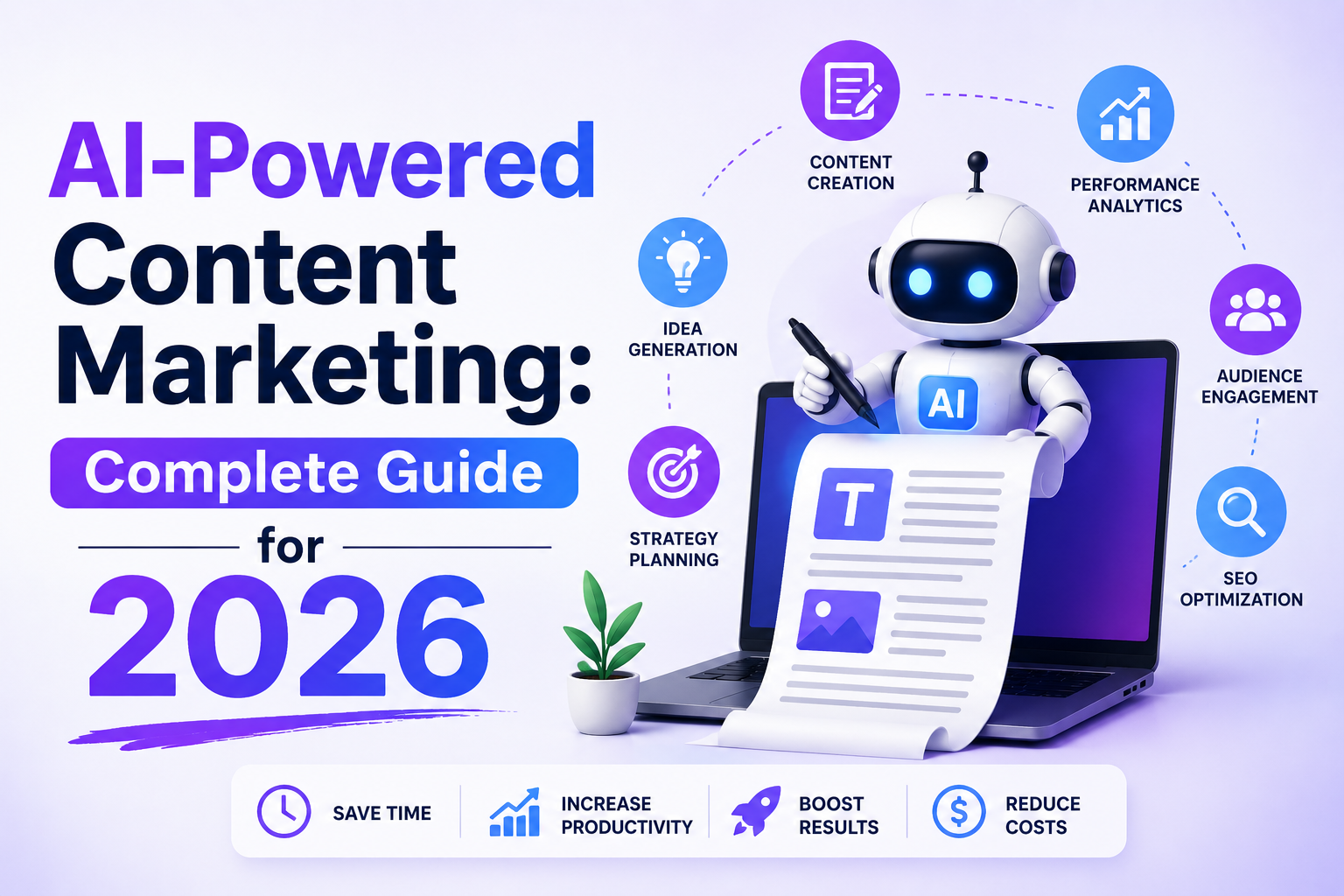

SEO-Friendly Articles are articles created with both search engines and readers in mind. They use relevant keywords naturally, follow a clear structure, satisfy search intent, provide useful information, and offer a good reading experience.
Creating SEO-friendly content with AI can make the research, planning, outlining, and drafting process faster. However, AI should support the content creation process rather than replace human judgment. Accurate information, original insights, useful examples, proper optimization, and human editing are still important.
The main purpose of SEO-Friendly Articles is to provide useful answers to searchers while making the content easier for search engines to understand. When AI is combined with sound SEO practices and human review, it can help create a more efficient and consistent content workflow.
In this guide, we will explore AI SEO Content Writing, the benefits of SEO article generation with AI, how to write SEO articles using AI, important optimization techniques, and how to build an effective AI content strategy.
How to Create SEO-Friendly Articles with the Help of AI?
In today’s digital age, content marketing is an important part of many business and website strategies. However, simply publishing articles is not enough. Content should be useful, relevant, well-structured, and aligned with what users are searching for.

What is AI SEO Content Writing?
AI SEO Content Writing is the process of using artificial intelligence to assist with SEO-focused content creation. AI tools can help with topic research, keyword organization, content outlines, drafting, rewriting, and optimization.
For example, an AI-assisted SEO workflow may include:
- Finding relevant content topics
- Researching primary and secondary keywords
- Understanding search intent
- Creating an article outline
- Developing a first draft
- Improving readability and structure
- Reviewing SEO elements
- Adding human expertise and fact-checking
For additional ideas on creating search-focused content, learn how to create high-ranking blog content with AI prompts as part of your broader content workflow.
Key SEO Practices for AI Content
AI-generated content should still follow fundamental SEO and content-quality principles, including:
- Using relevant keywords naturally
- Creating clear headings and subheadings
- Matching the search intent
- Providing useful and original information
- Improving readability
- Using relevant internal and external links
- Writing descriptive titles and meta descriptions
- Reviewing AI-generated information for accuracy
- Adding human expertise and practical examples
Benefits of SEO Article Generation with AI
There are several potential benefits to using AI during SEO content creation. AI tools can assist writers, bloggers, marketers, and businesses with repetitive tasks and help them develop content more efficiently.
1. Saves Time During Content Creation
Traditionally, creating an SEO article can require significant time for research, outlining, drafting, editing, and optimization. AI tools can assist with several of these steps and provide a starting point for the writer.
This allows content creators to spend more time on research, fact-checking, editing, strategy, and adding original insights.
2. Supports Faster Content Creation
AI-Powered Content Creation can help generate article outlines, introductions, topic ideas, FAQs, and first drafts more efficiently. This can be useful for websites that maintain a regular publishing schedule.
AI-generated drafts should still be reviewed and improved before publication to ensure that they are accurate, useful, original, and appropriate for the target audience.
3. Makes Keyword Optimization Easier
AI tools can help organize primary keywords, secondary keywords, related terms, and long-tail variations. They can also suggest where specific terms may fit naturally within an article.
However, keywords should not be forced into every paragraph. Natural language and user usefulness should remain the priority.
4. Supports SEO Content Optimization
AI tools can assist with different areas of SEO content optimization, including:
- Keyword coverage
- Heading structure
- Content organization
- Readability
- Meta title ideas
- Meta description suggestions
- Internal linking opportunities
- Search-intent alignment
These suggestions can make the optimization process more systematic, but final decisions should be based on the actual content, audience, and search intent.
5. Helps Maintain Content Consistency
When a website publishes many articles, maintaining a consistent tone, structure, and formatting style can become challenging. AI can help content teams follow reusable workflows and templates.
Human editors can then review each article to ensure that it still reflects the brand’s expertise, voice, and standards.
6. Helps Analyze Search Intent
Search intent describes what a user is trying to accomplish when entering a search query. AI can help organize search queries and identify whether users are looking for information, comparisons, instructions, products, or solutions.
Understanding search intent helps content creators build articles that answer the actual questions behind a search rather than simply inserting keywords.
7. Helps Generate Content Ideas and Topic Research
Content creators can use AI to brainstorm related topics, questions, subtopics, content angles, and potential article structures.
AI can be particularly useful during the planning stage when a website needs to develop ideas for a larger content calendar.
8. Can Reduce Repetitive Content Work
AI can assist with repetitive tasks such as creating outlines, summarizing research notes, generating variations, rewriting sentences, and organizing content information.
This can help content teams focus more of their time on tasks that require human judgment and expertise.
9. Supports AI Content Marketing
AI can support content marketing by helping businesses plan topics, develop drafts, create content variations, and organize publishing workflows.
For a broader approach to AI-assisted content marketing, build a stronger AI-powered content marketing strategy for 2026 around useful content and consistent optimization.
10. Supports Long-Term SEO Workflows
When used responsibly, AI can become part of a repeatable SEO content workflow. It can assist with research, planning, drafting, optimization, and content refreshes while human experts remain responsible for quality control.
How to Write SEO Articles with the Help of AI?
The process of writing SEO-friendly articles with AI can be organized into several practical steps. The goal is not simply to ask AI to write an article but to guide it through research, planning, writing, optimization, and review.
1. Choose Relevant Keywords
Start by identifying the primary keyword and related secondary keywords for the topic. Consider the search intent, relevance, competition, and questions users may have around the subject.
2. Understand Search Intent
Before writing, determine what users expect to find when searching for the target keyword. The article format and depth should match that intent.
3. Create an SEO Content Outline with AI
Use AI to organize the article into logical sections and subsections. A useful outline can include the introduction, main topics, supporting information, examples, conclusion, and FAQs.
4. Prepare the First Draft
Use a clear prompt to generate a first draft based on your outline. Include the target audience, tone, content requirements, keyword context, and desired structure.
5. Add Human Expertise and Editing
AI-generated drafts should be reviewed carefully. Add original insights, practical examples, expert knowledge, accurate information, and brand-specific details where appropriate.
6. Check SEO Elements
Review the title, headings, keyword usage, internal links, meta description, image optimization, readability, and search-intent alignment.
7. Fact-Check the Article
AI can produce inaccurate or outdated information. Verify important facts, statistics, claims, product information, and other details before publishing.
8. Publish and Monitor Performance
After publishing, monitor organic traffic, search visibility, engagement, conversions, and other relevant metrics. Update the article when information or search intent changes.
Proper Use of AI Article Writers for SEO
An AI Article Writer for SEO can be a useful assistant for research, outlining, drafting, and editing. However, relying entirely on AI without review can result in generic, inaccurate, or repetitive content.
A stronger workflow treats AI as an assistant rather than a replacement for human expertise.
Use AI for Research and Planning
AI can help brainstorm topics, organize keywords, generate questions, and create content outlines.
Use AI for First Drafts
AI can help produce an initial draft that writers can then expand, correct, and personalize.
Use Human Review Before Publishing
Human review is important for checking accuracy, originality, tone, usefulness, and compliance with the website’s content standards.
For better instructions during this process, learn how to create clearer and more effective AI prompts for different SEO and content tasks.
Important Tips for SEO Content Optimization
SEO Content Optimization means improving content so that it is useful for readers and easier for search engines to understand. Optimization should focus on relevance, usefulness, clarity, and user experience rather than simply adding more keywords.
Do Proper Keyword Placement
Use the primary keyword and related terms naturally in relevant areas such as the title, introduction, headings, and body content when appropriate.
Write Useful and High-Quality Content
Content should answer the user’s questions and provide information that is genuinely useful. Avoid adding unnecessary paragraphs simply to increase word count.
Improve Readability
Use short paragraphs, descriptive headings, lists, examples, and straightforward language to make articles easier to scan and understand.
Use Relevant Internal Linking
Internal links can help readers discover related information and help search engines understand relationships between pages. Links should be contextually relevant rather than added simply for keyword placement.
For more focused SEO writing workflows, create more effective SEO content using structured AI prompts.
Optimize the Meta Title and Description
Create descriptive and relevant title and meta description elements that accurately represent the page and encourage qualified users to visit it.
Optimize Images
Use descriptive image file names and relevant alternative text. Compress images where appropriate to support page performance.
Create Mobile-Friendly Content
Make sure content is easy to read and interact with on smartphones and other smaller screens.
Keep Content Fresh and Updated
Review important articles periodically and update outdated information, examples, statistics, links, and recommendations when necessary.
Focus on User Intent
Always consider whether the article actually answers the question behind the search query. Matching intent is more useful than repeating the target keyword excessively.
Use a Proper Heading Structure
Use H2 headings for major sections and H3 headings for related subsections. A logical heading hierarchy improves content organization and makes long articles easier to navigate.
Pay Attention to Page Experience
Content quality is only one part of a successful website. Page speed, mobile usability, navigation, readability, and overall user experience can also affect how visitors interact with your website.
Track Content Performance
Monitor relevant SEO metrics after publication and use the data to identify opportunities for improving content, internal linking, search intent alignment, and user experience.
How to Create an AI Content Strategy?
An AI Content Strategy is a structured plan for using AI during content research, planning, creation, optimization, distribution, and analysis. The strategy should focus on efficiency while maintaining content quality and human oversight.
1. Define Content Goals
Determine what the content should accomplish, such as increasing organic visibility, answering customer questions, generating leads, supporting products, or building topical authority.
2. Understand the Target Audience
Identify the audience’s needs, questions, challenges, knowledge level, and search behavior before creating content.
3. Conduct Keyword Research with AI
Use AI to organize keyword ideas and identify related topics, questions, and content opportunities. Validate important keywords using appropriate SEO research methods.
4. Generate Content Ideas
Create a list of relevant topics based on audience needs, search intent, keyword opportunities, and existing content gaps.
5. Create a Content Calendar
Organize topics into a realistic publishing schedule based on business goals and available resources.
6. Create Content with AI
Use carefully designed prompts to assist with outlines, drafts, summaries, FAQs, and other content tasks.
7. Perform SEO Optimization
Review the content for search intent, keyword relevance, headings, internal links, readability, metadata, and other appropriate SEO elements.
8. Add Human Editing
Review the content for accuracy, originality, expertise, tone, and usefulness. Add information that AI cannot reliably provide without proper context.
9. Create a Content Distribution Plan
Repurpose useful content into newsletters, social posts, videos, or other formats where appropriate.
10. Track and Improve Performance
Monitor performance and use the findings to improve future content planning, optimization, and updating processes.
How to Use AI Responsibly for SEO Content?
Using AI responsibly is important when creating content at scale. AI can speed up content workflows, but it should not be treated as an automatic source of truth.
Review AI-Generated Information
Fact-check important claims and verify information before publication.
Add Original Value
Include your own expertise, examples, analysis, experiences, data, or practical recommendations where appropriate.
Avoid Keyword Stuffing
Do not repeatedly insert keywords simply to increase keyword frequency. Write naturally for the reader.
Maintain a Human Editorial Process
Use human review to improve clarity, accuracy, originality, and usefulness before content goes live.
FAQs
1. What are SEO-Friendly Articles?
SEO-Friendly Articles are articles created to be useful for readers while also being structured and optimized so search engines can understand their topic and relevance. They typically use relevant keywords naturally, clear headings, useful information, and a logical structure.
2. How can AI help in creating SEO-Friendly Articles?
AI can assist with topic research, keyword organization, content outlines, drafting, rewriting, FAQs, and content optimization. Human review is still important for accuracy, originality, expertise, and overall quality.
3. Why are SEO-Friendly Articles important for websites?
SEO-friendly articles can help websites provide useful information to searchers and improve their organic visibility when the content satisfies search intent and follows sound SEO practices.
4. Can AI really write SEO-Friendly Articles?
Yes, AI can assist with creating SEO-focused articles, outlines, and drafts. However, AI-generated content should be reviewed, fact-checked, edited, and improved with useful human insights before publication.
5. What are the key elements of SEO-Friendly Articles?
Important elements include relevant keywords, clear headings, useful information, search-intent alignment, readable formatting, internal linking, optimized metadata, accurate information, and a positive user experience.
6. Is AI-generated content automatically SEO-friendly?
No. AI-generated content is not automatically SEO-friendly simply because it was created using AI. Content still needs to satisfy search intent, provide value, use relevant keywords naturally, and meet appropriate quality and editorial standards.
7. Should humans edit AI-generated SEO content?
Yes. Human editing can help identify inaccurate information, improve originality and readability, add expertise, maintain brand voice, and ensure that the final article is genuinely useful to readers.
8. Can AI help with SEO keyword research?
AI can help brainstorm keyword ideas, related topics, questions, and keyword groupings. However, important keyword decisions should be validated using appropriate SEO research and analysis.
Conclusion
AI has made many parts of the SEO content creation process faster and more organized. From keyword research and content planning to drafting and optimization, AI tools can support writers, bloggers, marketers, and businesses in building efficient content workflows.
However, creating genuinely useful SEO-Friendly Articles requires more than generating text. Search intent, content quality, originality, accurate information, proper structure, internal linking, readability, and human editing all play important roles.
By combining AI SEO Content Writing, SEO Article Generation with AI, AI-Powered Content Creation, SEO Content Optimization, and AI Content Strategy, you can build a more efficient content process while keeping readers and their needs at the center.
The best approach is to use AI as a productivity and planning assistant, then apply human expertise and editorial judgment before publishing.